The first 48 hours after Botox set the tone for your results. Think of this window as scaffolding: you are helping the neuromodulator settle into the right nerve endings while protecting your skin barrier. A few small decisions around cleansing, sunscreen, and movement can be the difference between a smooth, even outcome and a short-lived or asymmetric one. I learned this both in clinic and from the calls Charlotte botox that come in when someone sleeps face-down, exfoliates too soon, or books a hot yoga class the same night. You only need a clear plan and the discipline to keep it simple.
What Botox actually does, and why skincare timing matters
Understanding how Botox works makes the aftercare rules feel less arbitrary. On a microscopic level, onabotulinumtoxinA blocks acetylcholine release at the neuromuscular junction. In plainer terms, it stops the nerve signal that tells a specific muscle to contract. That is the botox mechanism of action. It does not resurface skin, boost collagen, or shrink pores. The common “Botox glow” and botox skin smoothing you see online likely come from more relaxed movement and less mechanical wrinkling, not a change in oil glands or pore diameter. The botox pore size myth persists because less shine and crinkling can make texture look more even in photos.
Once injected, the protein binds to nerve terminals over hours to a couple of days. During that time, heat, pressure, and increased blood flow could in theory change spread patterns, especially in high-motion areas like the forehead or lip line. That is why providers ask you to avoid massaging the area, lying face-down soon after treatment, or doing heavy exercise right away. The skin itself is not injured beyond tiny needle points, but the barrier is slightly disrupted, which changes how it tolerates exfoliants, retinoids, and tools.
The 72-hour game plan, grounded in experience
Over the years, I have simplified aftercare into a three-day arc that protects the barrier and respects neuromodulator settling. It is practical, not fussy. If you already have a solid routine, this is more about what to pause than what to add.
Day 0, hours 0 to 6: quiet settling
You can wash your face the evening of your appointment, but keep it gentle and brief. Pick a non-foaming cleanser, use cool water, and pat dry. Skip makeup if you can. If you must, apply with a light touch and avoid pressing over the injection sites. No facial massage tools, cleansing brushes, or gua sha. Heat dilates vessels, so hold off on saunas, hot yoga, steam showers, and long baths. I have seen forehead injections diffuse lower than planned after a spin class in a heated studio an hour post-visit, then stabilize unevenly by day three. Better to wait.
A thin layer of a bland moisturizer is enough for comfort. Think glycerin, squalane, ceramides. Fragrance-free is the smarter choice during this small window. You do not need actives on day 0, and you do not need to “lock in” anything. The goal is a quiet canvas.
Day 1: gentle cleanse, hydrate, protect
You can return to sunscreen right away. Choose a lightweight SPF 30 to 50, ideally a mineral base if your skin runs reactive. The role of sunscreen after Botox is not to protect the product, it is to protect your collagen and maintain the look you just paid for. Botulinum toxin softens lines caused by movement, but ultraviolet light drives collagen loss and pigmentation that no neuromodulator can fix.

Keep your routine limited: gentle cleanser, moisturizer, sunscreen by day. At night, cleanser and moisturizer only. Avoid retinoids, AHAs, BHAs, vitamin C serums, scrubs, and cleansing tools for at least 24 to 48 hours. Wait on microcurrent and at-home LED the first full day. They are not known to disrupt neuromodulators, but early swelling and tenderness do not mix well with gadgets.
Day 2 to 3: resume carefully
Most patients can restart vitamin C by day 2 if their skin is comfortable. Retinoids and exfoliating acids can usually come back on day 3 or 4, spaced apart from other actives. If you are new to Botox and nervous, stretch this to day 5 without harm to your broader routine. I prefer reintroducing one variable at a time, so if stinging occurs you know the culprit.
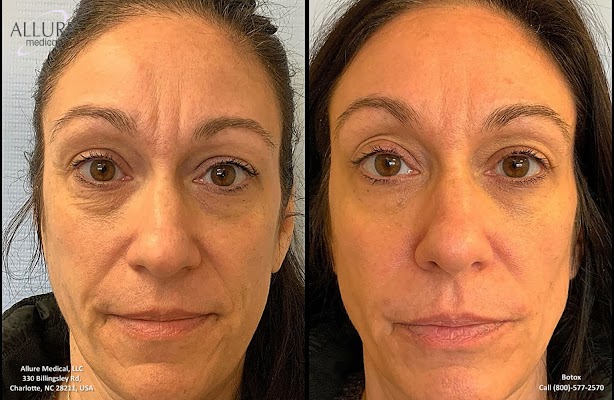
By now, movement changes may begin. Botox typically “kicks in” between days 3 and 7, with full effect around two weeks. Skin often looks smoother because dynamic wrinkling softens, not because the surface has been resurfaced. Respect that distinction and do not push your actives harder in search of an overnight transformation.
The ideal routine, step by step
Here is a concise, practical routine that aligns with the first week after treatment and then blends back into a standard anti-aging strategy.
Morning days 1 to 7: cleanse with a gentle, pH-balanced face wash using cool or lukewarm water. Pat, do not rub. Apply a hydrating serum if you use one, such as hyaluronic acid or panthenol. Follow with a simple moisturizer. Finish with broad-spectrum SPF 30 to 50, applied generously. If outdoors, reapply every 2 hours.
Evening days 1 to 2: cleanse gently and moisturize. If you are itchy or patchy from tape or antiseptic used during injections, a thin layer of a petrolatum-based balm over hot spots can help, but avoid smothering the entire face.
Evening days 3 to 7: reintroduce actives in a staggered way. Start with your retinoid two or three nights weekly, alternating with recovery nights of plain moisturizer. If you use acids, choose either retinoid or acid on a given night, not both at once during the first week. LED can return mid-week, microcurrent by the end of the week.
After week 1: resume your normal cadence. If your normal includes weekly exfoliation, keep it modest while you evaluate how movement has changed. When muscle pull shifts, makeup creasing and oil patterns often shift too, and you may find you need less aggressive resurfacing to get the same clarity.
What to avoid, and why those limits exist
Heat: strong heat can increase blood flow and, in theory, spread of product in the first day. Anecdotally, I have seen brow heaviness show up more often in patients who took a hot yoga class on treatment day. Skip saunas and steam for 24 to 48 hours.
Pressure and massage: vigorous rubbing could move product laterally, especially in the forehead and crow’s feet. Delay facials, facial massage, and dental visits that press the midface for about a week. If you must see a dentist sooner, tell them you had Botox so they can avoid leaning on injected areas.
Alcohol and blood thinners: alcohol can increase bruising risk shortly after injections. The same goes for ibuprofen or aspirin. If your doctor asked you to avoid blood thinners before treatment, keep that caution the evening of and the day after unless you are on a prescribed regimen for medical reasons. Never stop a prescription blood thinner without your prescribing physician’s guidance.
Strenuous exercise: moderate walks are fine. High-intensity workouts that dramatically increase heart rate and blood pressure, particularly within the first 6 to 12 hours, add to bruising and swelling and complicate early spread patterns. Most people can return to normal workouts by the next day.
Tools and needles: skip microneedling, dermaplaning, and peels for one to two weeks. They do not cancel Botox, but they add inflammation and can cause confusion when you assess results at your two-week check.
Sunscreen, sun exposure, and the long game
Botox and sun exposure intersect in a simple way: neuromodulators help with lines from motion, not those from ultraviolet damage. If you neglect sunscreen, you will lose collagen faster than any injectable can compensate. Daily SPF is the cornerstone, not an accessory. I encourage patients to pick one texture they enjoy and set reapplication triggers. For example, reapply after lunch at your desk using a sunscreen stick or a non-irritating spray that you pat to set. If you run outdoors, mineral formulas with zinc oxide tend to sting less on sweaty skin.
Tanning beds are a hard no. Spray tans are fine after day 1, as long as you are not scrubbing the face beforehand. If you insist on a beach day within the first 72 hours, rely on a hat, sunglasses, shade, and frequent SPF rather than pushing the limits of your new routine.
Sleep and positioning
The old advice to sleep upright the first night has a reasonable origin: minimizing pressure can reduce theoretical spread. In practice, I suggest a single extra pillow and avoiding sleeping face-down or on a tightly hugged arm for the first night. Side sleepers who wake with creases can place a soft towel under the cheek to reduce pressure without overheating. The key is avoiding deep, sustained pressure on freshly treated zones.
Travel, flights, and altitude
Flying after Botox is common. Cabin pressure changes and altitude do not degrade the product. The bigger issue is logistics: you are in a dry environment with limited control over hygiene, and you might be tempted to nap with your face on a window or neck pillow. If you fly the same day, keep it low-effort. Skip alcohol, hydrate, and avoid tight sleep masks that press on the brow. Once off the plane, no special steps are needed.
Fitness, stress, and metabolism: what affects longevity
A frequent question is whether intense workouts make Botox wear off faster. The evidence is mixed. Clinically, very lean, high-metabolism patients sometimes report shorter duration. Heavy endurance training may increase overall neuromuscular turnover. That said, great technique and a dose tailored to your muscle strength matter more than lifestyle alone. Stress and poor sleep can amplify habitual facial tension, particularly the corrugators between the brows. Managing stress through breath work or short breaks does not sound like skincare, but it changes how often you frown, which indirectly preserves results. Botox and sleep tie together in subtle ways: mouth breathers and jaw clenchers often see faster return of masseter function unless they address nighttime habits.
Where Botox stops and skincare starts
It helps to be clear about the division of labor. Botox and nerves determine movement. Skincare determines barrier strength, pigment behavior, and superficial texture. If enlarged pores, acne, or melasma are your main concerns, neuromodulators will not fix them. For pore appearance, focus on retinoids, salicylic acid, and sun protection. For fine lines due to dryness, humectants and emollients learnable to your climate matter more. The botox skin quality improvements you might notice usually reflect smoother light reflection because the surface is not wrinkling as often. It is real, but it is an optical effect, not a structural change in collagen. Botox and collagen interact only indirectly: by reducing repetitive folding, you may slow collagen breakdown in creased areas. You still need sunscreen and sometimes topical retinoids to support collagen production over time.
Timing Botox with seasons and big events
Seasonal timing matters if your routine uses strong actives. In winter, indoor heat dries skin, and people overdo acids, then call the clinic worried that Botox “migrated” when the issue is irritation. In summer, sunscreen diligence determines how youthful your results look in photos more than millimeter-level injection placement. If you are preparing for a wedding or photoshoot, treat three to four weeks ahead. That window covers the two-week full onset, time to adjust makeup to new movement patterns, and a cushion for a small touch-up. For actors or public speakers, plan treatments around performance blocks so you can calibrate expression, especially in the lower face where small changes in the lip area read as big changes on camera.
Common questions I hear after treatment
How soon can I wear makeup? Same day, ideally after the first six hours, with a clean brush or new sponge. Press lightly rather than buffing.
Can I use vitamin C the next morning? Usually yes, if your skin tolerates it and the formula is not irritating. If you sting, pause two days.
What about retinoids? Wait two to three nights. Start low and slow, then ramp back to your baseline.
Do I need to avoid facials for two weeks? A classic massage-style facial can wait a week. Microneedling, peels, and lasers should wait at least one to two weeks. Confirm with your injector, especially if you had treatment near the lip line or lower face.
When can I work out? Light activity the next day is fine. If you are a trainer or athlete with daily commitments, schedule injections late in the day before a rest morning to avoid temptation.
Will sunscreen interfere with Botox? No. It only helps by protecting your collagen. Apply it daily.
Does altitude change results? No meaningful effect. Guard against dryness on flights and avoid face pressure.
Red flags and when to call your provider
A bruise the size of a pea is common. A growing, tense bruise, severe pain, or vision changes are not. Marked eyelid droop can happen from product affecting the levator function. Mild heaviness often lifts within a couple of weeks, but if you notice one eyelid significantly lower or vision trouble, contact your injector promptly. If you develop a rash or hives beyond the needle sites, stop all new products and call. These issues are uncommon, and most settle with time, but early communication helps.
How injector technique shapes your aftercare
Skincare after Botox is simpler when the injection plan fits your anatomy. Facial anatomy botox planning looks at muscle strength, brow position, forehead height, and asymmetries. A conservative, customized facial botox approach needs less compensatory skincare because it produces balanced movement without chasing lines to zero. Over-treating forehead pulls heavy brows lower, which tempts patients to over-exfoliate or “tighten” the skin with harsh products to counter a perceived droop. Technique differences matter more to your day-to-day satisfaction than any serum. Choose a provider who invites questions, explains choices, and has experience with full face botox when appropriate. Nurse vs doctor botox is less important than training, ongoing education, and a portfolio of consistent, natural outcomes.
If you are vetting a new injector, ask how they assess the frontalis and corrugators, how they handle a high hairline or heavy lateral brow, and what their plan is if you experience asymmetry. These botox consultation questions reveal whether they personalize or follow a fixed grid.
Building a minimalist, effective product wardrobe
If you want the best skincare after Botox, build a small kit you can use on autopilot:
- A bland, pH-balanced cleanser you trust when skin is cranky. A mid-weight, fragrance-free moisturizer with ceramides or squalane. A broad-spectrum SPF 30 to 50 that you actually enjoy wearing. A retinoid you tolerate, used consistently three to five nights weekly. A gentle antioxidant serum for mornings, if pigmentation or pollution exposure is a concern.
That is it. This five-piece wardrobe covers 90 percent of needs. Add-ons like azelaic acid, niacinamide, or salicylic acid can rotate based on oil and acne patterns, but they are optional.
Botox is not skincare, but the two should cooperate
It helps to remember the limits. Botox does not lift skin, erase etched lines instantly, or change pigment. It can be part of a botox anti aging strategy when paired with sunscreen, retinoids, and, when needed, procedures that target texture and volume. Some patients stretch intervals by a few weeks through small lifestyle changes: diligent SPF, sleeping on a clean pillowcase, moderating intense cardio for 24 hours after injections, managing stress that fuels frowning. These are the low-glamour habits that make results look cleaner for longer.
My clinic rules of thumb
Every practice develops its own aftercare language. Mine fits busy schedules and avoids scare tactics.
- Keep it cool, clean, and quiet for the first 24 hours. Protect daily with SPF and a hat outdoors. Restart actives gradually by day 3, one at a time. Delay facials and dental pressure for a week. Evaluate results at two weeks, not two days.
Patients who follow these simple rules are rarely the ones emailing at midnight with worries. They come in at two weeks with smooth motion patterns and intact barrier function, which makes planning the next steps straightforward.
Final perspective: make your routine do less, not more
The best skincare after Botox is not a special line or a twelve-step ritual. It is restraint. A gentle cleanser, a moisturizer that seals without smothering, daily sunscreen, and a paced reintroduction of actives will support both the settling period and your long-term skin goals. When the injections are done thoughtfully and the skin is treated with respect, you avoid the ping-pong of chasing irritation one day and heaviness the next.
Botox lives at the intersection of nerves and muscles. Skincare lives at the surface. Treat both domains with clarity, and your results will look natural, last their intended span, and sit on healthy skin that photographs well in any light. If something feels off, do not troubleshoot with more products. Call your provider, describe what you see, and adjust together. That collaboration, more than any bottle on your shelf, is what keeps your face expressive, your barrier intact, and your confidence steady.